
How a Sales Funnel Really Works and How to Optimize It

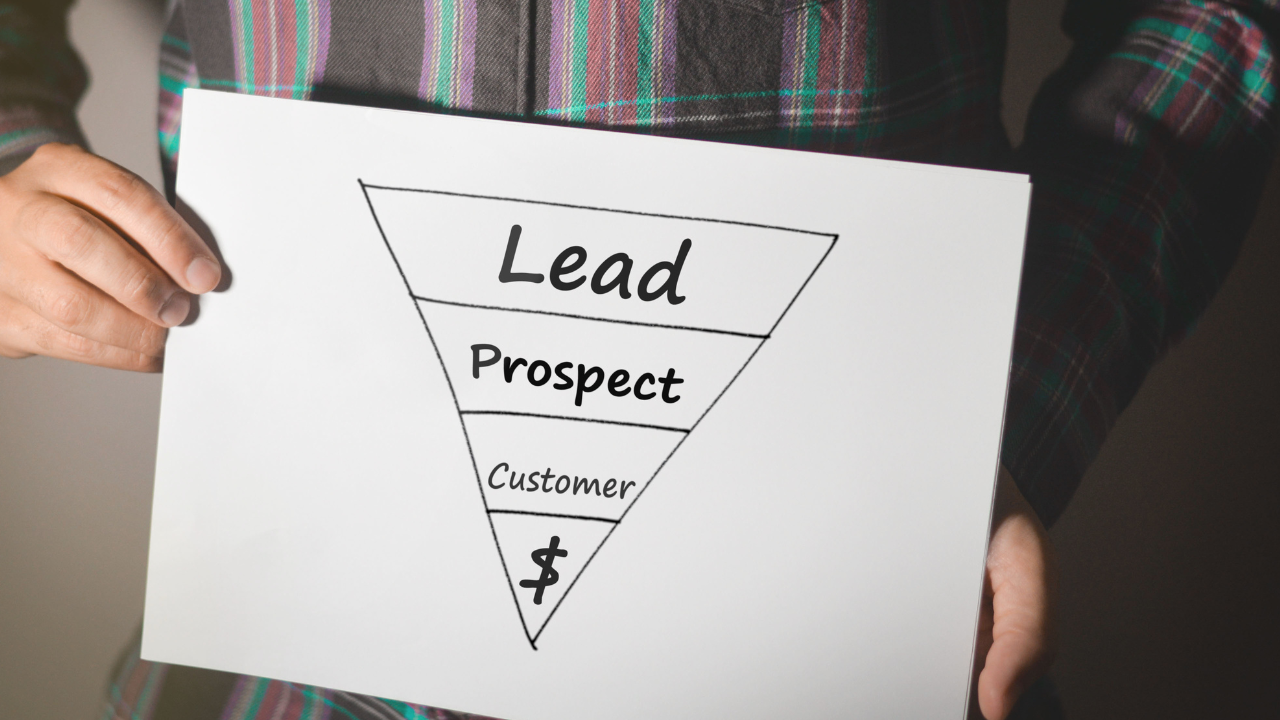
You did the hard part. You built your sales funnel. Your branding is dialed in. Your website looks good. Your CRM is set up. You even started driving traffic through SEO, paid ads, and content. Leads are coming in.
Now comes the part most businesses skip.
Is your sales funnel actually working? And more importantly, how do you optimize your sales funnel so it keeps producing results instead of stalling out?
That is what separates businesses that grow consistently from those that feel stuck. Optimization is where growth really happens.
This post breaks down how Sean Garner Consulting approaches sales funnel optimization using three core pillars: data automation and AI. No fluff. Just the systems that help funnels perform better over time.
What Optimizing a Sales Funnel Actually Means
Building a sales funnel is an ongoing commitment rather than a one-time project. True optimization requires shifting away from "gut feelings" and anecdotal observations, such as simply feeling like business is slow or assuming a specific marketing channel is performing well. Without concrete data, business owners often find themselves making guesses about their growth, which leads to inefficient strategies and missed opportunities.
To achieve real clarity, you must analyze exactly where leads originate, how they behave upon arrival, and where they ultimately drop off the path to purchase. By answering these questions with hard data, you can clearly distinguish between high-revenue activities and mere noise. This data-driven approach transforms vague impressions into actionable insights, ensuring every decision is backed by the actual performance of your funnel.
The Role of Data in Sales Funnel Optimization
The first step in optimizing your sales funnel is understanding your foundational data. If you cannot see what is happening, you cannot improve it.
Google Analytics and Website Performance
Google Analytics gives you a high-level view of what is happening inside your funnel. It shows how many people visit your website, where they come from, and what actions they take once they arrive.
At a minimum, you should know how many people visit your site each month. This can be tracked month over month or year over year, depending on seasonality. If traffic is growing, that tells you your funnel is being filled.
If traffic is flat or declining, that is a signal that something needs attention.
Tracking Conversions and Actions
Traffic alone does not matter if no one takes action. The next data point is conversions. That could be phone calls, form submissions, appointment bookings, or contact requests.
If people visit your website but do not take action, that is a funnel problem. Either the messaging is unclear, or the call to action is weak.
Understanding Traffic Sources
Most business owners assume social media is driving results because people comment or like posts. Data often tells a different story.
When you look at traffic sources inside Google Analytics, you can see whether leads are actually coming from SEO, paid ads, social, or direct traffic. That clarity helps you double down on what works instead of guessing.
SEO Data That Impacts Your Sales Funnel
SEO plays a major role in filling your sales funnel. Google Search Console shows how your website performs in Google search results.
Impressions, Keywords, and Rankings
Impressions show how often your site appears in search results. Keywords tell you what people are typing when they see your site. Rankings show how visible you are.
When impressions grow, but clicks stay flat, that usually means your titles or descriptions are not compelling. When rankings improve, but traffic does not, your click-through rate needs work.
Click Through Rate and Funnel Health
Click-through rate is the percentage of impressions that turn into visits. A healthy sales funnel shows growth across impressions, rankings, and clicks.
The goal is simple. Show up more often, rank higher, and get more people to click.
Google Business Profile and Real Lead Signals
For local businesses, Google Business Profile is a major part of the sales funnel.
GBP Visibility and Local Rankings
Your profile shows how often you appear in local results and map packs. Heat maps help visualize where you rank across different areas of a city.
Improving visibility here directly impacts calls and bookings.
Calls and Phone Tracking
If your marketing is working, your phone should ring more often. Even basic call tracking helps. Knowing how many calls you receive each month gives you a clear benchmark.
If you are not tracking calls or form fills, it will always feel like marketing is not working even when it is.
Automation That Strengthens Your Sales Funnel
Once you understand the data, the next step in how to optimize your sales funnel is automation. Automation prevents leads from falling through the cracks.
Appointment Reminders and Follow Ups
If people book appointments but do not show up, that hurts the funnel. Automated reminders increase show rates and protect revenue.
Review Request Automation
Review requests should never rely on memory. Automating review requests ensures consistency.
At Sean Garner Consulting, review automations include multiple follow-ups because most reviews come from the second or third ask. Those reviews then feed back into the funnel as trust signals.
Missed Call Text Back
When calls go unanswered, sales are lost. Missed call text back immediately engages potential customers and keeps the conversation alive.
For service-based businesses, this can be the difference between winning and losing a job.
CRM and Pipeline Automation
Your CRM should reflect your actual sales process. New leads booked, calls follow ups, and closed deals should all live inside defined pipeline stages.
Automations layered onto those stages ensure consistent follow-up without manual effort.
Using AI to Improve Sales Funnel Performance
AI is not magic, but when used correctly, it makes optimization faster and more effective.
Feeding AI the Right Information
AI outputs are only as good as the inputs. When AI understands your services, process testimonials, and brand voice, it becomes far more useful.
This allows AI to support content creation, follow-up messaging, and even customer interactions without sounding generic.
AI for Lead Engagement
Chatbots and voice AI help capture leads when humans are unavailable. They collect information, answer basic questions, and keep leads warm until follow-up happens.
AI for Data Review
Data can be overwhelming. AI helps interpret reports, analyze trends, and highlight opportunities.
At Sean Garner Consulting, AI is used to review performance continuously, so optimization never stops.
Why Sales Funnel Optimization Never Ends
Optimization is not a one-time task. Once one sales funnel is optimized, another is built, filled, and optimized again.
This cycle of build, fill, and optimize is how businesses grow consistently. Funnels improve over time when data automation and AI work together.
Fix Your Sales Funnel Now
If your sales funnel feels inconsistent, the issue is rarely traffic alone. Most of the time it is a lack of clarity in systems or follow-through.
When you understand your data, automate key actions, and leverage AI properly, your funnel becomes predictable, scalable, and profitable.
If you want help building, filling, and optimizing your sales funnel the right way, schedule a call at https://www.seangarner.co/ and see how this framework can work for your business.
